
Perimenopause and menopause can feel like your body has changed overnight. Energy dips, joint aches appear out of nowhere, sleep can be disrupted, and suddenly the workouts you once loved don’t feel quite right anymore.
Here’s the good news: your body isn’t broken. It’s evolving. And Pilates is one of the most supportive forms of exercise you can do during this stage of life.
At Warrior In Training, our Pilates classes are designed to meet women exactly where they are, helping them feel stronger, calmer, and more confident in their bodies again. Here are 10 ways Pilates can support you through perimenopause and menopause.
1. Pilates builds strength where it matters most
Hormonal changes can affect muscle mass and bone density, making strength training essential. Pilates focuses on deep, functional strength that supports your spine, hips, and joints, without high impact or strain.
2. Your core gets smarter, not just stronger
In Pilates, the core is more than your abs. We train the pelvic floor, deep abdominals, diaphragm, and back muscles together. This approach is central to everything we teach in our Pilates classes, helping improve posture, reduce back pain, and support bladder control.
3. Slower movement brings better results
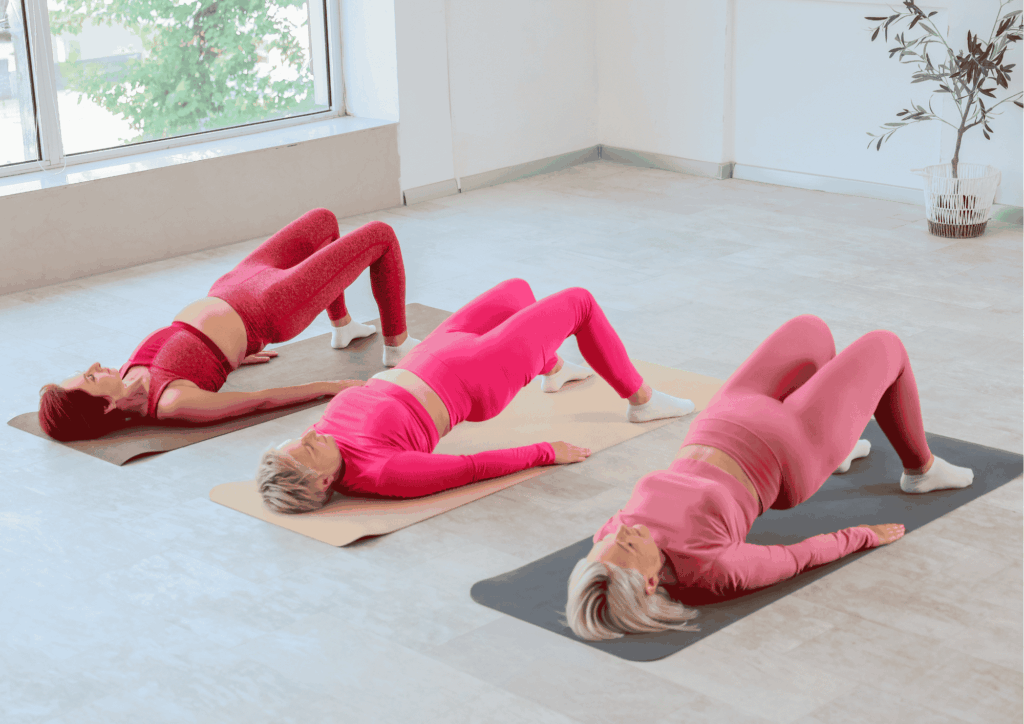
Pilates encourages controlled, intentional movement. Moving slower improves muscle recruitment (which basically means your nervous system becomes more efficient at activating a greater number of muscle fibres), balance, and body awareness, while also calming the nervous system. It’s not about rushing, it’s about feeling the difference.
4. Energy-friendly exercise that adapts to you
Perimenopause often comes with fluctuating energy levels. One of the biggest benefits of Pilates is adaptability. Exercises can always be adjusted, whether you’re joining us in the studio or moving at home with our on-demand Pilates library. There are always options, so if one week you need to go a bit easier, great and if another week you want to challenge yourself more, you can. It adapts to you.
5. Breathwork that supports stress and hot flushes
Breath is a foundation of Pilates. Learning how to breathe well during movement can help regulate stress, support better sleep, and bring a sense of calm, especially helpful during moments of overwhelm or hot flushes.
6. Gentle on joints, strong on support
Joint stiffness and aches are common during menopause. Pilates strengthens the muscles around the joints, improving mobility and stability while remaining low-impact and joint-friendly, ideal for long-term movement health.
7. Improved balance and coordination
Changes in hormones can affect balance and coordination. Pilates challenges balance safely, helping reduce the risk of falls and increasing confidence in everyday movement.
8. Consistency beats intensity every time
You don’t need to push harder to see results. Regular Pilates, even once or twice a week, supports long-term strength, mobility, and mental wellbeing far more effectively than occasional intense workouts.
9. A supportive environment makes all the difference
Menopause isn’t the time for punishing workouts. Our small-group Pilates classes in Paisley are welcoming, supportive, and focused on progress, not perfection. You should leave feeling stronger and calmer — not exhausted or defeated.
10. Rebuilding trust in your body
Perhaps the most powerful benefit of Pilates is reconnection. It helps you listen to your body, understand what it needs, and rebuild confidence in your movement, at any age or stage.
Pilates classes that support you through every stage
At Warrior In Training, we offer small, supportive Pilates classes in our studio in Paisley, as well as live online and on-demand options. Our sessions are designed for real bodies, real life, and real change – especially through perimenopause and menopause.
If you’re ready to move in a way that supports your body rather than fights it, Pilates could be exactly what you’ve been looking for.
Your body is amazing. Let’s help it feel that way again.